

World Brain Day is observed globally on 22 July every year to raise awareness about the importance of brain health and neurological well-being. The 2026 theme, “Brain Health: Access for All,” emphasizes the need to ensure that every individual has equitable access to quality neurological healthcare services, promote early diagnosis of neurological disorders, increase public awareness, and encourage lifelong brain health.
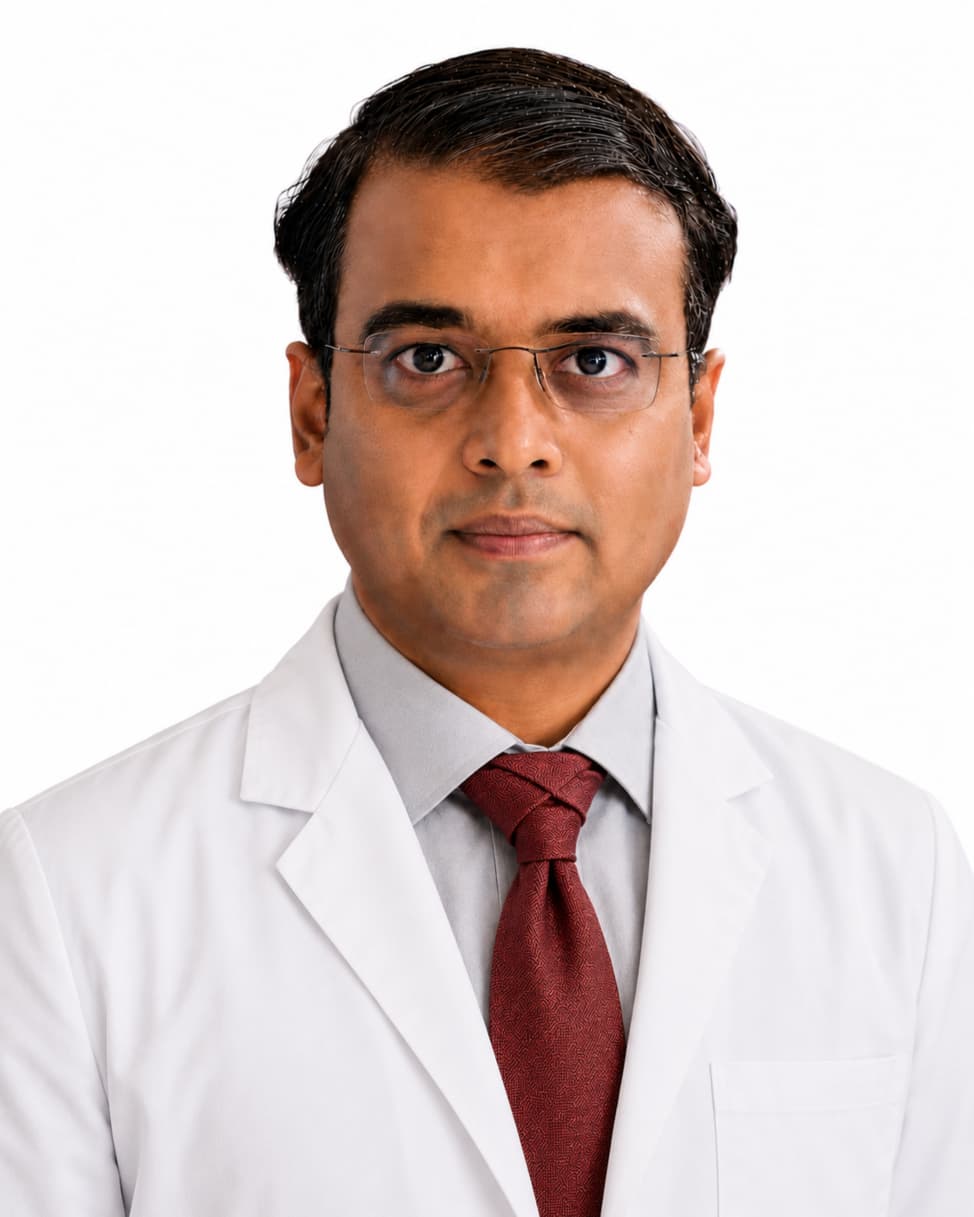
Explaining the significance of World Brain Day, Dr. Amit M. Patel (Ph.D.), Senior Ortho Rehab Professional – Academician & Special Olympics Committee Member, Washington DC, USA, stated that the brain is the human body’s most complex and vital organ. It controls movement, memory, thinking, emotions, speech, coordination, sensation, and decision-making. Therefore, maintaining good brain health is essential for an individual’s well-being and for society’s overall health, productivity, and quality of life. Neurological disorders such as stroke, epilepsy, Parkinson’s disease, Alzheimer’s disease, dementia, migraine, traumatic brain injury, cerebral palsy, spinal cord injury, and multiple sclerosis affect millions worldwide. Many of these conditions can be effectively managed when identified early, enabling timely medical intervention, reducing complications, improving functional independence, and enhancing quality of life.
According to Dr. Patel, early warning signs of neurological disorders—including sudden weakness or numbness in the face, arm, or leg, facial drooping, difficulty speaking, recurrent seizures, persistent headaches, memory loss, dizziness, poor coordination, or loss of balance—should never be ignored. Prompt consultation with a qualified healthcare professional can lead to early diagnosis, appropriate treatment, and better long-term outcomes while minimizing disability. Dr. Patel further explained that physiotherapy plays a pivotal role in neurological rehabilitation across all stages of recovery. Evidence-based physiotherapy interventions help improve muscle strength, balance, coordination, posture, mobility, gait, flexibility, and overall functional independence. Individualized rehabilitation programs, task-oriented training, balance exercises, gait re-education, strength training, functional electrical stimulation, and assistive device training can significantly improve recovery in individuals affected by stroke, Parkinson’s disease, traumatic brain injury, spinal cord injury, multiple sclerosis, and other neurological conditions. Early initiation of physiotherapy also helps prevent secondary complications such as joint stiffness, muscle contractures, falls, pressure injuries, and physical deconditioning, while facilitating community participation and improving overall quality of life.
The Government of India has undertaken several important initiatives to improve access to neurological healthcare and rehabilitation services. Ayushman Bharat – Pradhan Mantri Jan Arogya Yojana (AB-PMJAY) has expanded access to quality healthcare for economically vulnerable populations. Health and Wellness Centres are strengthening primary healthcare delivery, particularly in rural and underserved communities. The eSanjeevani telemedicine platform enables patients to consult healthcare specialists remotely, thereby improving access to expert neurological care. Furthermore, the Government continues to strengthen rehabilitation services through District Disability Rehabilitation Centres (DDRCs), Comprehensive Regional Centres (CRCs), and National Institutes under the Department of Empowerment of Persons with Disabilities (DEPwD), promoting multidisciplinary rehabilitation for persons with neurological disabilities. These initiatives, together with digital health services and public awareness programmes, are improving early diagnosis, treatment, rehabilitation, and long-term neurological care. Maintaining optimal brain health requires adopting a healthy lifestyle. Regular physical activity, structured exercise, a balanced and nutritious diet, adequate sleep, mental stimulation, stress management through yoga and meditation, avoiding tobacco and excessive alcohol consumption, controlling blood pressure, diabetes, and cholesterol levels, and protecting the head by wearing helmets and using seat belts are all essential measures that reduce the risk of neurological disorders.
World Brain Day 2026 reminds us that good brain health is a fundamental right for every individual. Improving awareness, ensuring equitable access to quality neurological care, encouraging early diagnosis, and expanding rehabilitation services—including physiotherapy—are essential to reducing the global burden of neurological diseases. The theme “Brain Health: Access for All” is a global call to action to make comprehensive neurological healthcare and rehabilitation accessible to everyone, enabling individuals to live healthier, more independent, and fulfilling lives.
- Dr. Amit M. Patel (Ph.D.) Senior Ortho Rehab Professional – Academician, and Special Olympics Committee Member, USA
Enclosed herewith: Display picture of Dr. Amit M. Patel.