

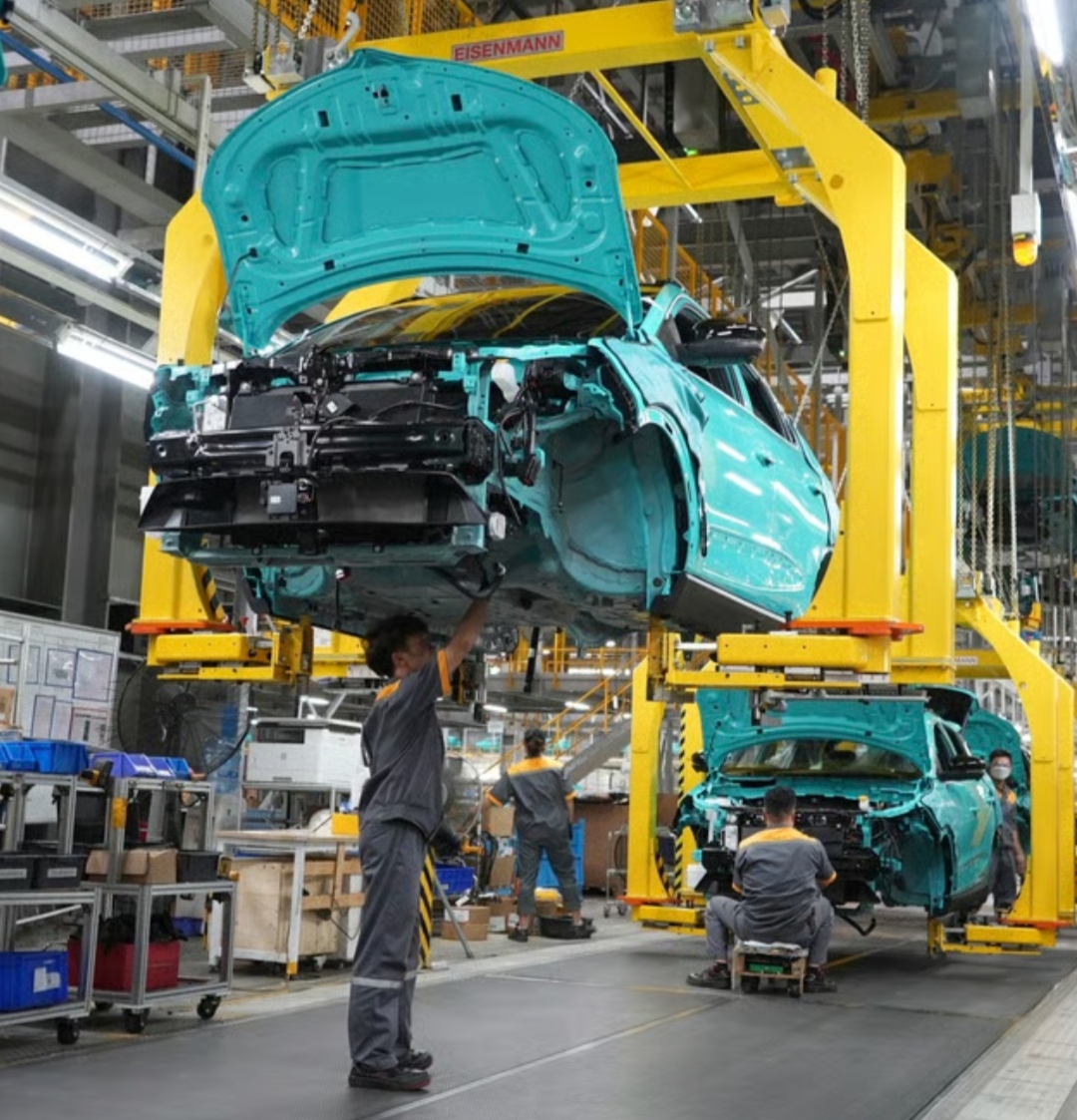
Atul Sachdeva (New Delhi): Vietnam has achieved remarkable growth over the past 10–15 years. It is now being referred to as “Factory of the World 2.0.”
- What developments have taken place in Vietnam?
A. Infrastructure
- Ports: Cat Lai and Hai Phong ports rank among the world’s top 20; shipping operations are highly efficient.
- Roads & Metro: New metro lines and highways are being constructed in Hanoi and Ho Chi Minh City.
- Electricity: Power outages are minimal; the government has invested $15 billion in solar and wind energy.
B. Technology and Cities
- Ho Chi Minh City and Da Nang have emerged as “startup hubs”; Fintech and E-commerce sectors are booming.
- R&D centers for companies like Samsung and Intel are now opening here.
- What are the key industries and businesses?
Industry | Activities | Global Rank
Electronics | Manufacturing phones, laptops, chips, batteries | #2 in phone exports
Textiles & Footwear | Apparel for Nike, Zara, Uniqlo | #3 in exports
Furniture & Wood | Sofas, tables for the US and EU | #2 in exports
Agriculture | Coffee, rice, cashews, black pepper | #2 in coffee, #1 in cashews
New Industries | EV batteries, solar panels, semiconductors | Rapidly growing
Domestic businesses are also booming—VinGroup (automobiles), VNG (gaming & tech), and Viettel (telecom). - What are the government’s policies?
Government policy is the real reason behind Vietnam’s success.
- Doi Moi Reforms (since 1986)
It is a communist country, yet the economy is fully open, allowing complete freedom for private companies and foreign investment. 2. Red carpet for FDI
- Tax exemptions for foreign companies for up to 4 years
- Land available at low rates for a 50-year lease
- Single-window system: Factory permits granted within 45 days
- Web of Free Trade Agreements
CPTPP, EVFTA, RCEP, India-ASEAN FTA—totaling 17 deals. This means goods can be sold tax-free in over 60 countries. - “China + 1” Policy
The government is actively inviting companies from the US, Japan, and Korea to help them reduce their reliance on China. - Human Resources
Technical education in schools; the government is opening engineering colleges. The workforce is disciplined and educated. - Key figures for 2026
- GDP Growth: 6.5% – 7% (Top in Asia)
- FDI: $36 billion/year
- Exports: $380 billion
- Poverty: Was 60% in 1990; now less than 5%
In simple terms
Vietnam got three things right:
- Low-cost labor + discipline
- Global free trade
- Government did not hinder business
That is why companies today speak of “China + Vietnam.”
Challenge: Currently, Vietnam mostly handles assembly. It needs to learn “design and chip manufacturing.” It also requires more power infrastructure and ports.